From snow to ice and freezing temperatures, there is much to consider when winter-proofing warehouses and large sheds for the peak season.
As temperatures drop and the first snow begins to fall, most of us hunker down indoors, but for the logistics industry the busiest season is just beginning. Winter weather creates a unique set of challenges that demand careful planning and execution, with safety as the top priority.
Even experienced operators can be caught out by cold-weather conditions. It’s often not the snow or ice itself that causes the biggest problems, but the small oversights in maintenance and preparation that allow manageable risks to turn into costly disruptions.
Pete Zorgenlos, Head of Product Development Europe at New Pig – a leading provider of absorbents and containment solutions for leaks, drips, spills, and stormwater – shares five of the most common mistakes warehouses and distribution centres make in winter, and how to avoid them.
Not sealing entry points
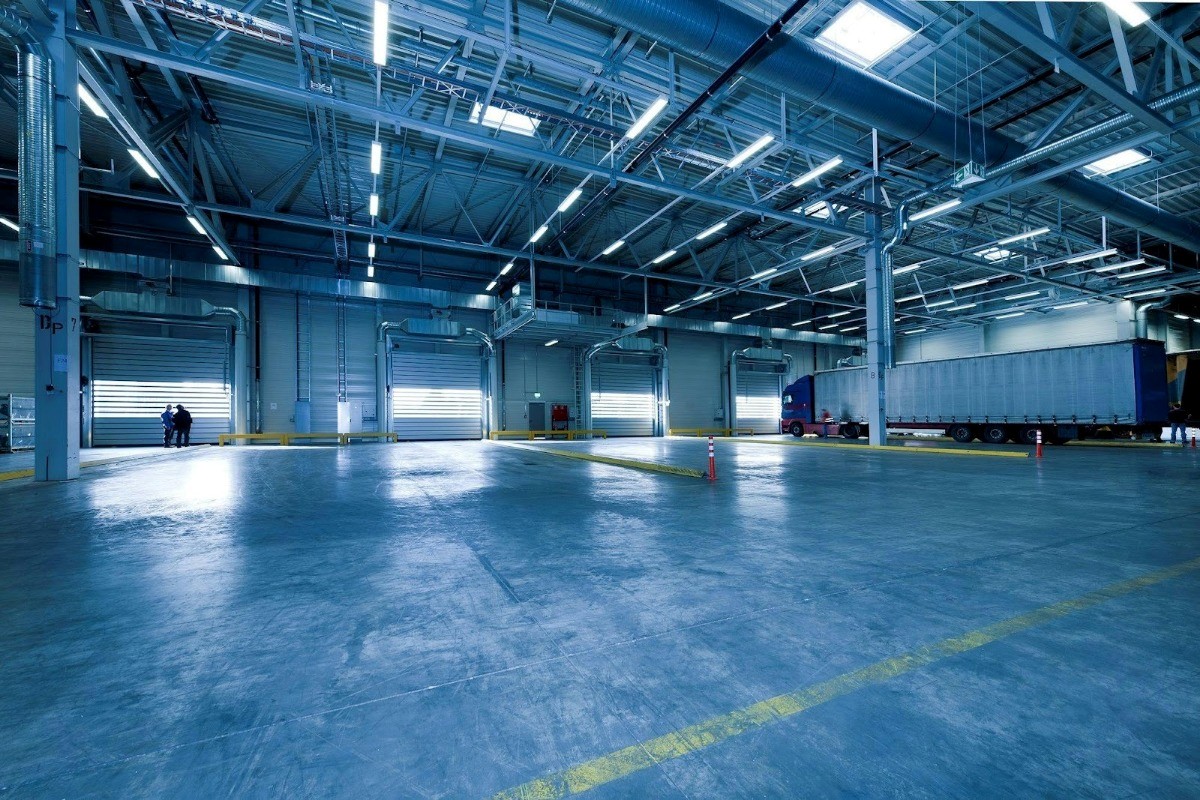
Doors, roller shutters, and loading bays are common weak spots in warehouses and logistics hubs. With loading bay openings often exceeding 8’x8’, wind, rain, or snow can easily enter the facility, causing product damage, contamination, safety risks, hygiene issues, or compliance failures.
Identifying and sealing entry points protects property from flooding and water damage. If water ingress does occur, temporary barriers, absorbent socks, or modern water-activated flood bags can provide a fast and reliable seal -without the mess of sandbags.
Neglecting floor safety
Winter’s moisture, grit, and mud are a recipe for slip hazards. Failing to replace worn mats, install absorbent walkways, or apply anti-slip coatings can quickly lead to accidents. According to the Health and Safety Executive (HSE), slips and trips remain the single most common cause of workplace injury in the UK.
Over a quarter (26%) of UK warehouse staff report being affected by a slip, trip, or fall each year – a clear reminder of the human and operational cost of poor floor safety. Placing grippy floor mats and anti-slip flooring at entrances, loading bays, and high-traffic areas can reduce these risks. Managers should also regularly inspect floor surfaces and clean up moisture immediately to prevent accumulation.
Poor spill preparedness
Cold weather can cause pipes, tanks, and machinery to leak or burst, increasing the likelihood of spills. Without adequate clean-up equipment or trained staff, minor leaks can quickly become major disruptions -leading to flooding, structural damage, and avoidable downtime.
Keep well-stocked spill kits in critical areas such as refuelling zones, loading docks, and chemical storage areas, and ensure teams are trained in quick-response procedures. Pipe clamps provide a practical temporary fix for burst sections, while leak diverters can catch nuisance drips and channel them safely away from critical equipment or inventory.
Ignoring drainage and stormwater control
Blocked drains and neglected stormwater systems can quickly lead to flooding and costly downtime. Ice dams may prevent proper gutter drainage, allowing water to seep into cracks and walls.
With 8.7% of transport and storage firms already affected by flooding, according to the ONS, this is an issue logistics operators can’t afford to ignore. Regular inspections and maintenance of drains, gutters, and containment areas are essential. Drain covers or plugs can also be deployed before heavy rain or snow to prevent contaminants from entering waterways.
Forgetting staff readiness
Even the best equipment and systems can fail if staff aren’t prepared. Without clear winter protocols or refresher training, response times slow and compliance slips.
Teams should be briefed at the start of the season on winter-specific safety measures. Encourage staff to report hazards immediately and conduct regular “winter walkarounds” to spot new risks as weather conditions change.
Ultimately, winter safety isn’t about reacting to bad weather – it’s about anticipating it. When warehouses and distribution hubs treat winter readiness as part of everyday operations rather than an emergency response, they dramatically reduce downtime, avoid costly repairs, and most importantly, keep their people safe.
By recognising these common maintenance pitfalls and addressing them early, logistics providers can keep operations moving smoothly through the busiest and most challenging months of the year.