Heavy, complex, and often requiring millimeter precision: even with unusual dimensions, Lufthansa Cargo proved in 2025 that precision and tailored solutions are part of its brand essence. Just as diverse as the transport of large components is the rest of the spectrum of special cargo items that were transported during the year – from exotic animals to medically sensitive goods. A look at selected examples gives an idea of the variety.
Precision for sensitive machinery
Transporting aircraft engines is one of the most demanding tasks in air freight. This year, over 1,000 of these heavy and highly sensitive components were moved worldwide in Lufthansa Cargo’s air freight network. Each transport requires precise planning, specialized equipment, and closely coordinated processes – from preparation on the ground to securing on board.
Special care was also required in the high-tech segment. Several semiconductor manufacturing machines were safely transported to international destinations, equipped with shock and tilt sensors, temperature monitoring, and clearly defined handling rules.

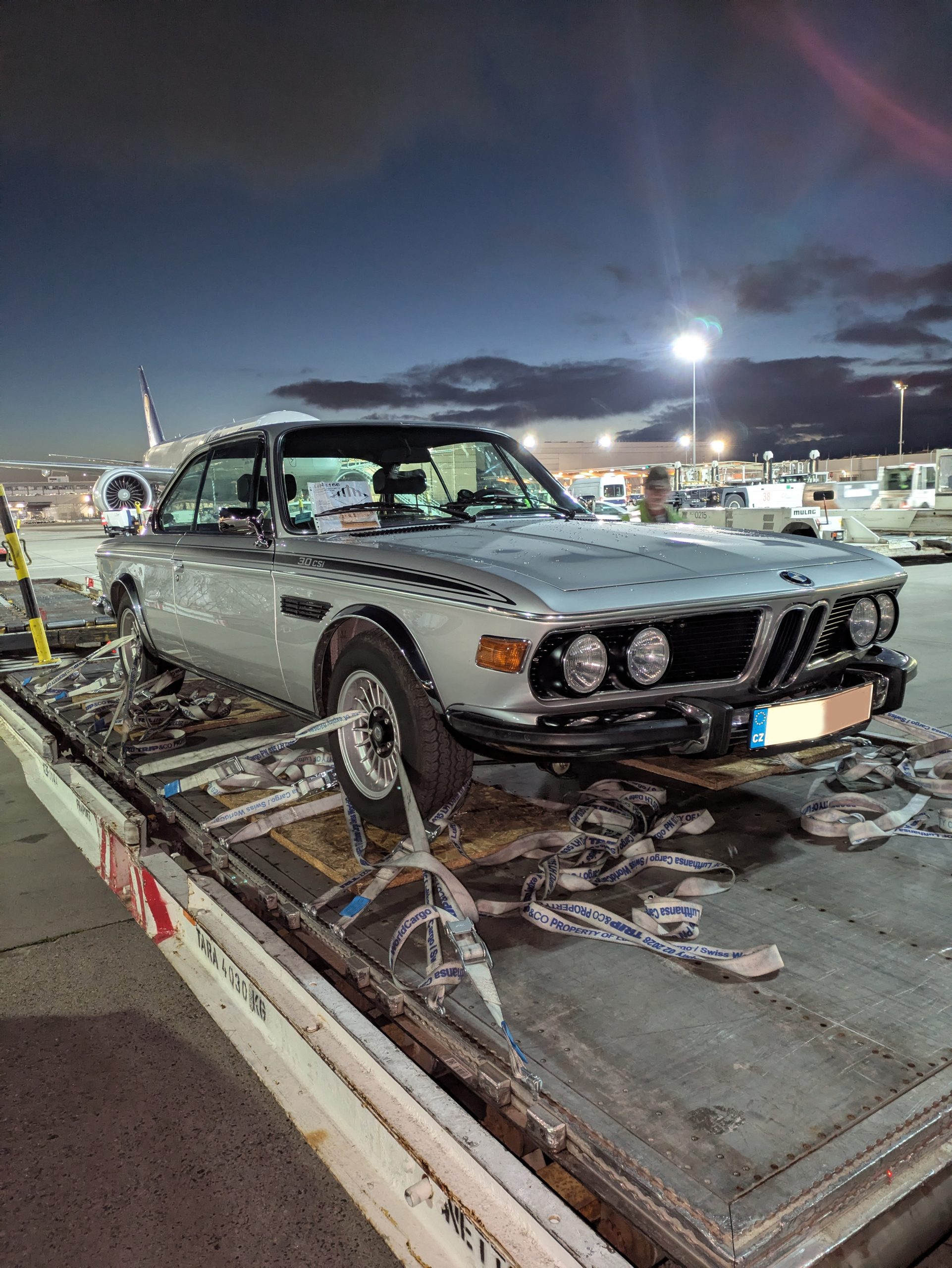
A rare BMW classic car was a special one-off item that was flown from Prague to Tokyo. Only around 150 to 300 roadworthy examples of this model remain worldwide. The restored rarity was carefully prepared and loaded for its journey of more than 9,000 kilometers. The transport is exemplary of the diverse requirements of the automotive industry, whether complete vehicles, spare parts, or sensitive high-tech components such as control units and electronic modules.
Diversity in animal transport
An extraordinary example in the field of species conservation in 2025 was the transport of critically endangered Vietnamese crocodile-tailed lizards (Shinisaurus crocodilurus vietnamensis). Fewer than 150 individuals of this rare reptile are known to exist worldwide. In cooperation with Cologne Zoo and AnimalLogistics FRA, a logistics company specializing in animal transport, Lufthansa Cargo supported the return of twelve animals to their native habitat in Vietnam for the first time. The repatriation is part of the international ‘One Plan Approach’, which combines conservation breeding programs in zoos with field projects on site.
Another example of species conservation is the collaboration with the ‘Save the Rhino’ project. While there were still over 22,000 rhinos living in South Africa in 2012, estimates now put the number at around 13,000. Lufthansa Cargo transported specially trained sniffer dogs to the country, where they are used in anti-poaching units. The dogs come from animal welfare organizations and are intensively trained to detect illegal wildlife products such as rhino horn or ivory before they are deployed. On site, they assist rangers in identifying smuggling routes and improving the monitoring of large protected areas.
In addition, the overall figures underscore the breadth of this transport segment. Around 3,500 horses were transported in 2025, marking significant growth compared to the previous year. The modern infrastructure of the Frankfurt Animal Lounge, with its spacious stalls and specialized teams, forms the basis for transport that is as stress-free as possible and caters to the needs of all equines – from ponies to seasoned sport horses.
Around 12,000 pets traveled safely to new destinations in 2025, while around 80 million ornamental fish – the largest animal group in the air freight portfolio – were transported with the utmost care. In addition, around 200 exotic zoo animals, including pandas, hippos, and other species ambassadors, were transported between zoological facilities and protected areas worldwide.
Restoring vision
Pharmaceutical shipments have been one of Lufthansa Cargo’s strategically important freight categories for years. Certified infrastructure, strict temperature control processes, and specialized handling teams ensure that medicines, vaccines, and other medical goods can be transported safely worldwide. In this environment, the transport of human tissue is one of the tasks that requires special care and where the highest precision and strictly monitored transport conditions are essential.

One example of medically relevant transport is the collaboration with the Lions World Vision Institute (LWVI), which coordinates corneal tissue donations worldwide to restore people’s sight. The transplants are booked as LHO (Living Human Organ) and classified as time-critical cargo – with priority handling, continuous live tracking, and immediate rebooking in case of delays. The following example from Cameroon illustrates the importance of logistics: A patient there received a donated cornea that restored her clear vision. LWVI has already helped more than 500,000 people worldwide to a new life, and as part of its long-standing partnership, Lufthansa Cargo has transported around 10,000 shipments of corneas for the Lions World Vision Institute to date.
Speed, quality, safety
Whether large technical components, rare animal species, or medical goods – the examples from 2025 illustrate the wide range of requirements placed on global air freight. True to its mission of ‘Enabling Global Business’, Lufthansa Cargo supports globally functioning supply chains and takes responsibility where speed, quality, and safety are crucial.
The company will continue on this course in the coming year, investing in infrastructure and expertise to offer customers and partners worldwide reliable solutions along increasingly complex value chains.