At the Port of Barcelona, Barcelona International Terminal, S.A.(BIT), a joint venture between SGS and Masiques, will have the most advanced coffee terminal in southern Europe. Building the new terminal involves an investment of 30 MEUR, 20 million of which will be provided by the Barcelona Free Zone Consortium and 10 million by the Port of Barcelona for the transfer of the current BIT facilities, to meet Elian’s need for space to expand the terminal run by this company within the port precinct.
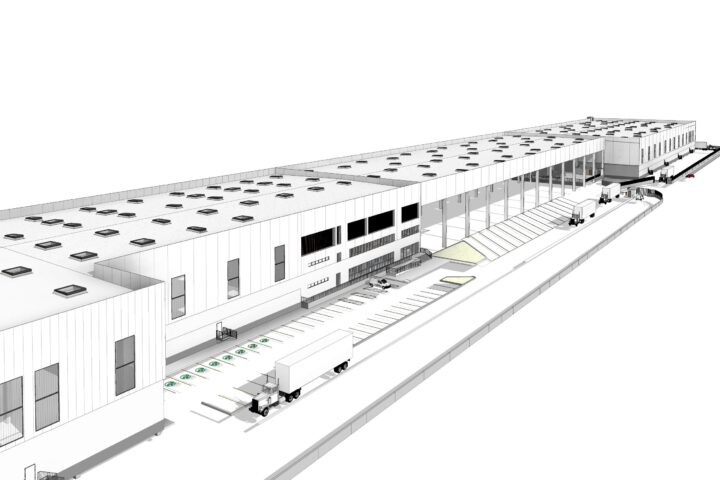
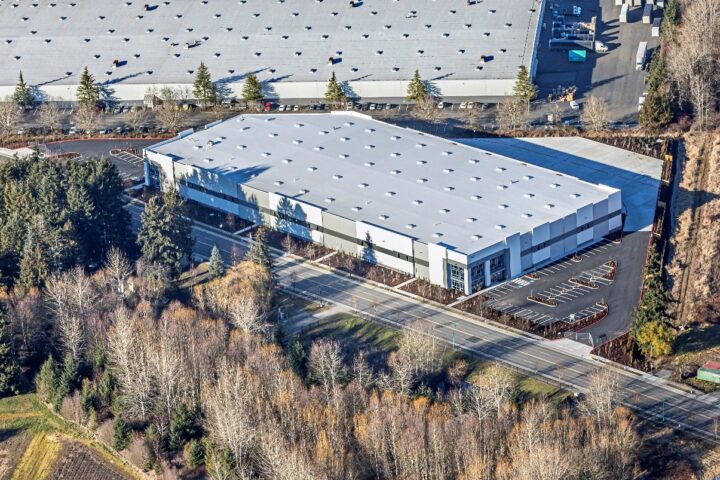
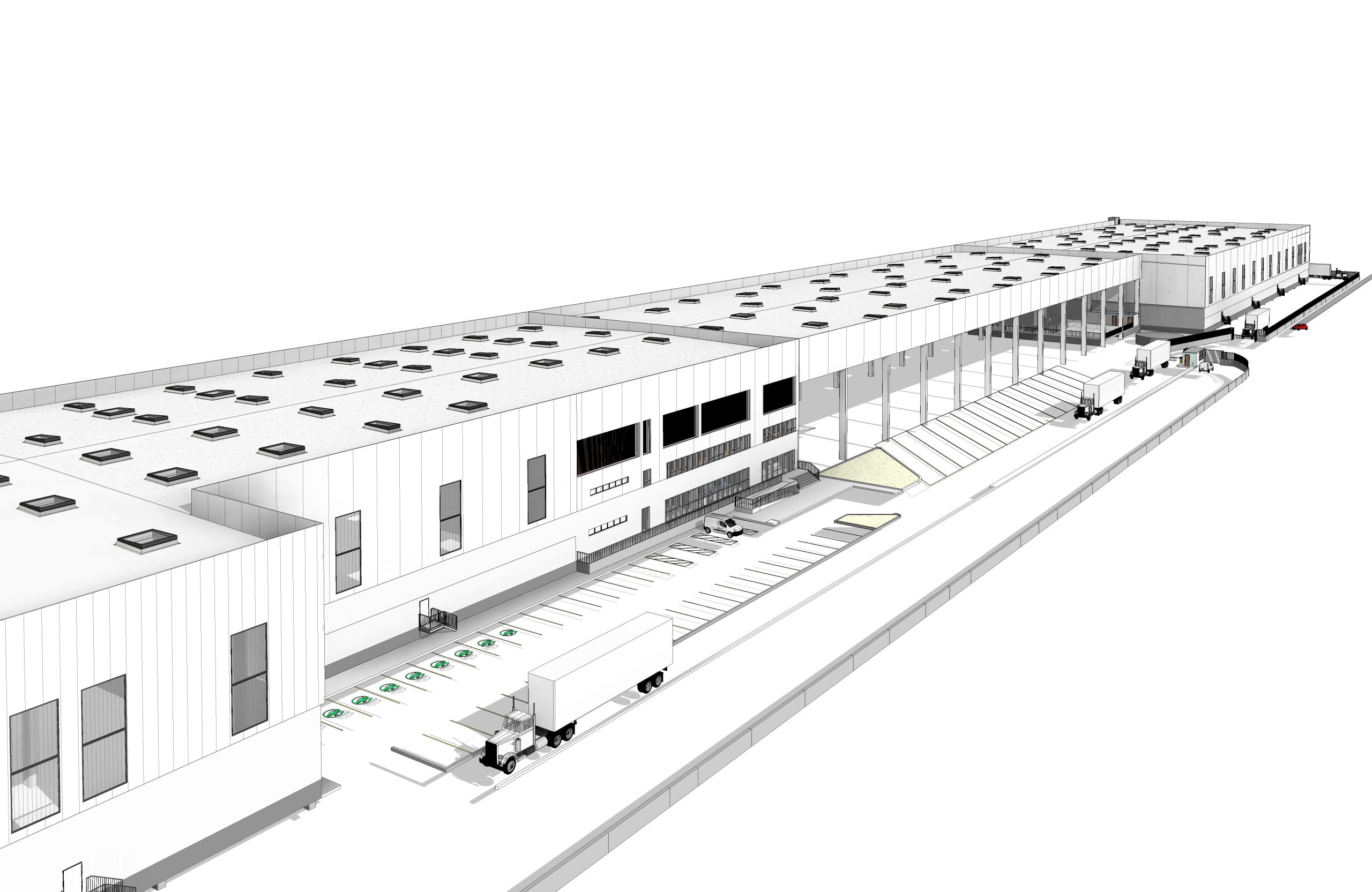
The new BIT will be built in section VI of the Ronda del Port, on a plot of 53,380 m² that CZFB will run under a management concession for the next 50 years. It will comprise two warehouses connected by a canopy, offices and services and spaces for loading and unloading trucks, with a built-up area of 27,476.79 m². The facilities will incorporate solar thermal and photovoltaic systems and constant temperature and humidity control to guarantee optimal conditions for the green coffee beans stored there. Consequently, the new BIT facilities will be designed and built specifically for coffee storage and logistics operations respecting the highest quality and efficiency standards and will be ready to accommodate increases in traffic over the coming years.
The project, which will take 36 months to complete, was unveiled today by Port of Barcelona president José Alberto Carbonell; Pere Navarro, Spanish Government special delegate to the Barcelona Free Zone Consortium; José Miguel Masiques, CEO of Masiques, and Marc Tauste, BIT manager.
The project for the future BIT terminal is the result of a lengthy process involving the cooperation of both institutions and companies. The Port of Barcelona, the CZFB and BIT had to coordinate efforts to meet the requirement to expand the terminal of agro-industrial company Elian, which occupies the land of the BIT facilities and is managed by the CZFB on Álvarez de la Campa wharf, to respond to a 200 million euro project, as unveiled on 21 November. This also raised the need to build a new coffee terminal, which will be the largest and most advanced of its kind in southern Europe. Since BIT has the tax status of a Customs Free Zone, an agreement had to be struck with the Barcelona Free Zone Consortium to allow the future facilities to maintain their customs status.
Port of Barcelona president José Alberto Carbonell highlighted that “BIT is the leading green coffee terminal in southern Europe, and the new project that we are presenting today will allow it to maintain this leading role. This project is also an exercise in institutional cooperation. We have worked with the Barcelona Free Zone Consortium and with the companies involved —Masiques and SGS— to better organize the area and ensure that each activity enjoys the necessary conditions to grow and be competitive.”
Pere Navarro, Spanish Government special delegate to the CZFB, underscored that “this is a forward-looking project that clearly shows how a desire to achieve objectives, alongside coordinated work between the public and private sectors, yields very positive results that generate opportunities for people and the surrounding area. Likewise, this action reiterates CZFB’s commitment to sustainable reindustrialization and the generation of economic value and employment.”
Masiques CEO José Miguel Masiques recalled that this project, “is one more step, and a very important one, in a years-long success story between the Port of Barcelona, the Free Zone Consortium and BIT” and framed the new project within Spain’s outstanding role in the international coffee market and the role played by BIT, which currently manages around 80% of the green coffee arriving in the country.
BIT manager Marc Tauste explained that, “our new facilities will have two distinct buildings that will house various activities related to coffee logistics. The fully-automated modern equipment will allow us to double our current production capacity and optimize logistics operations. This will be one of the most modern and sustainable coffee terminals in the world.”
BIT, a joint venture formed by SGS and Masiques, was created in the Port of Barcelona in the 1980s —following the deregulation of the coffee market in Spain— with Free Zone tax status, allowing local and international operators to conduct their logistics operations in Spain and with third countries under the most competitive tax regime.
The company grew rapidly to become the most significant green coffee terminal in southern Europe and an important factor consolidating Barcelona as the main gateway for green coffee in the south of the continent. Currently, 80% of the coffee that arrives in Spain passes through the Port of Barcelona.
The concession for the future terminal will last for 50 years.