The bottleneck of technical debt in warehouse technology can be broken, writes Adrian Negoita (pictured, below), CTO and Co-founder, Dexory.
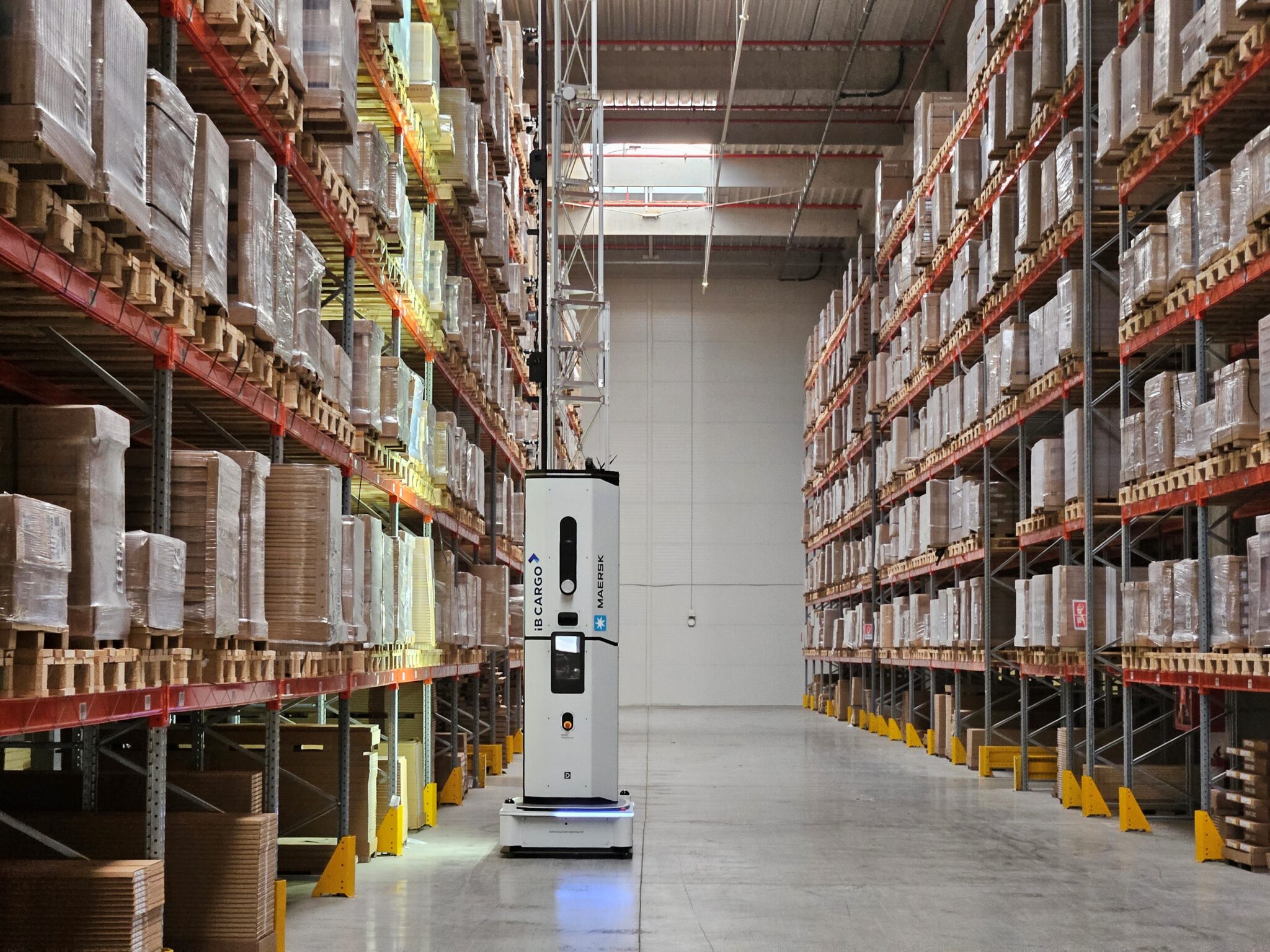
Warehouses are modernising at speed. Automation, robotics and AI are being deployed to handle rising demand and increasingly complex supply chains, and the platforms enabling this shift are more sophisticated than ever before. Yet as these systems scale, that very sophistication makes them more vulnerable to a quieter challenge: technical debt.
Technical debt is the accumulation of compromises made during rapid development: quick fixes, legacy code or architectural shortcuts that deliver speed in the short term but create fragility over time. In a sector where software underpins fleets of robots, orchestrates vast data flows and integrates with multiple enterprise systems, this debt has a habit of multiplying. Left unmanaged, it becomes a bottleneck that slows performance, stifles innovation and compounds with scale until it can no longer be ignored.

The presence of debt itself is not the problem; it is part of the cost of building fast. The danger lies in treating it as invisible. Over time, codebases weighed down by outdated decisions become harder to maintain, platforms that once drove innovation begin to stall, and teams spend more time patching problems than developing new capabilities. In environments where reliability and speed are essential, the cost of this drift is significant.
Why leadership needs to own the problem
Technical debt is too often regarded as an engineering concern alone, when in fact it belongs at the leadership level. Managing it requires visibility and prioritisation, and it should be treated as a strategic risk factor rather than a technical afterthought.
This shift matters because technical debt directly affects business outcomes. A product roadmap might look ambitious on paper, but if the underlying platform cannot deliver reliably, those promises turn into missed deadlines and frustrated customers. When debt is only visible at the engineering level, senior decision-makers are caught off guard when performance stalls or projects slip. By surfacing it early, leaders can weigh trade-offs in the same way they would any financial liability, asking whether to invest in clearing it now, carry it for a defined period, or redirect resources toward more urgent priorities.
In practical terms, this means treating technical debt as part of financial and operational planning. Just as organisations budget for maintenance or allocate reserves for risk, they should also create capacity for addressing debt. The payoff is predictability. Teams know which compromises are being carried and why, and leadership avoids the shock of sudden breakdowns that could have been anticipated.
Performance is the real feature
The race to release new functionality is constant, but performance remains the feature that matters most. A system that is slow, unreliable or unable to scale will undermine even the most advanced tools layered on top.
In warehousing environments, this reality plays out daily. A system lag can stall a fleet of robots mid-operation, and a poorly tested update can cascade across a platform and interrupt throughput. These are not minor inconveniences but operational choke points that directly affect productivity, safety and customer commitments. Resilience, speed and scalability form the foundation for everything else. Without them, innovation is built on unstable ground. With them, new features become sustainable rather than fragile.
Innovation without chaos
The challenge is to keep innovation moving without letting debt spiral out of control, and that requires discipline. Codebases should be treated as living systems that require ongoing care. Teams must prune what no longer serves, apply backwards-compatible upgrades and allocate time to reducing debt as part of release cycles.
The pressure to move faster is constant, whether it comes from customers, commercial teams or competitors. Without clear processes, short-term delivery wins out and every release carries hidden costs that eventually slow progress, so it is important to make balance part of the process. Dedicating a fixed proportion of engineering capacity to tackling debt, using automated testing to surface issues early and tracking the “interest” debt creates in lost performance can all help keep platforms healthy. Companies that adopt this discipline are able to deliver both speed and quality, while others find themselves dragged down by instability.
Planning for scale
As warehouses expand in size and complexity, the platforms supporting them must be designed with scale in mind. Technical debt will always exist, but the question is whether it is surfaced, tracked and controlled, or whether it accumulates unseen until it erupts as downtime, instability or security failures.
By recognising debt as a leadership issue, prioritising performance over superficial features and embedding processes that maintain platform health, organisations can prevent it from becoming a silent bottleneck. Managed well, technical debt remains a cost of progress. Unmanaged, it becomes an obstacle to growth.
The warehouse sector’s future will be defined by automation, robotics and AI. Whether that future is built on stable, scalable platforms or collapses under the weight of brittle foundations depends on how seriously businesses confront the code they already carry.