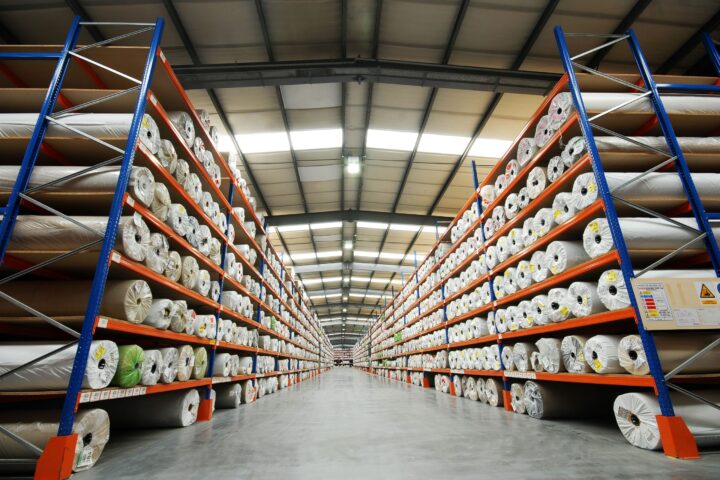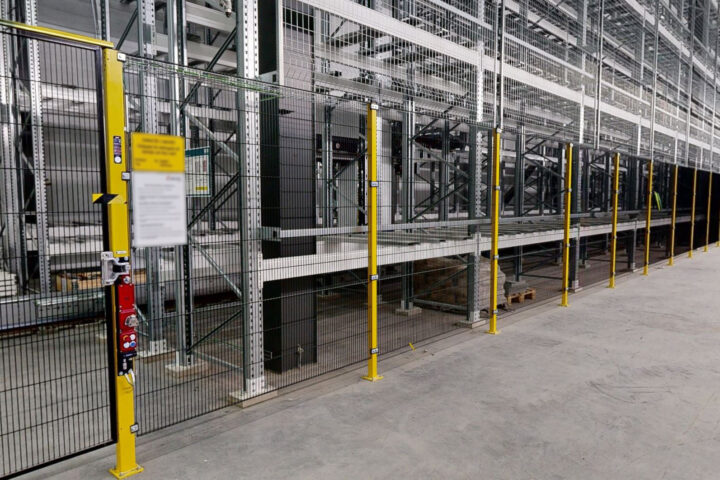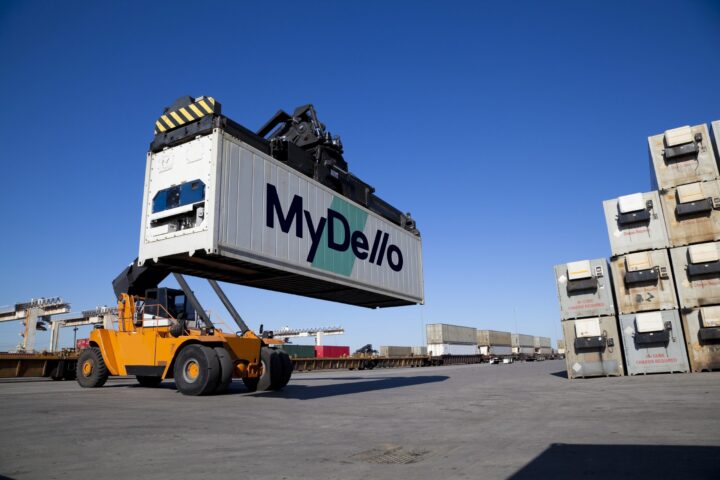
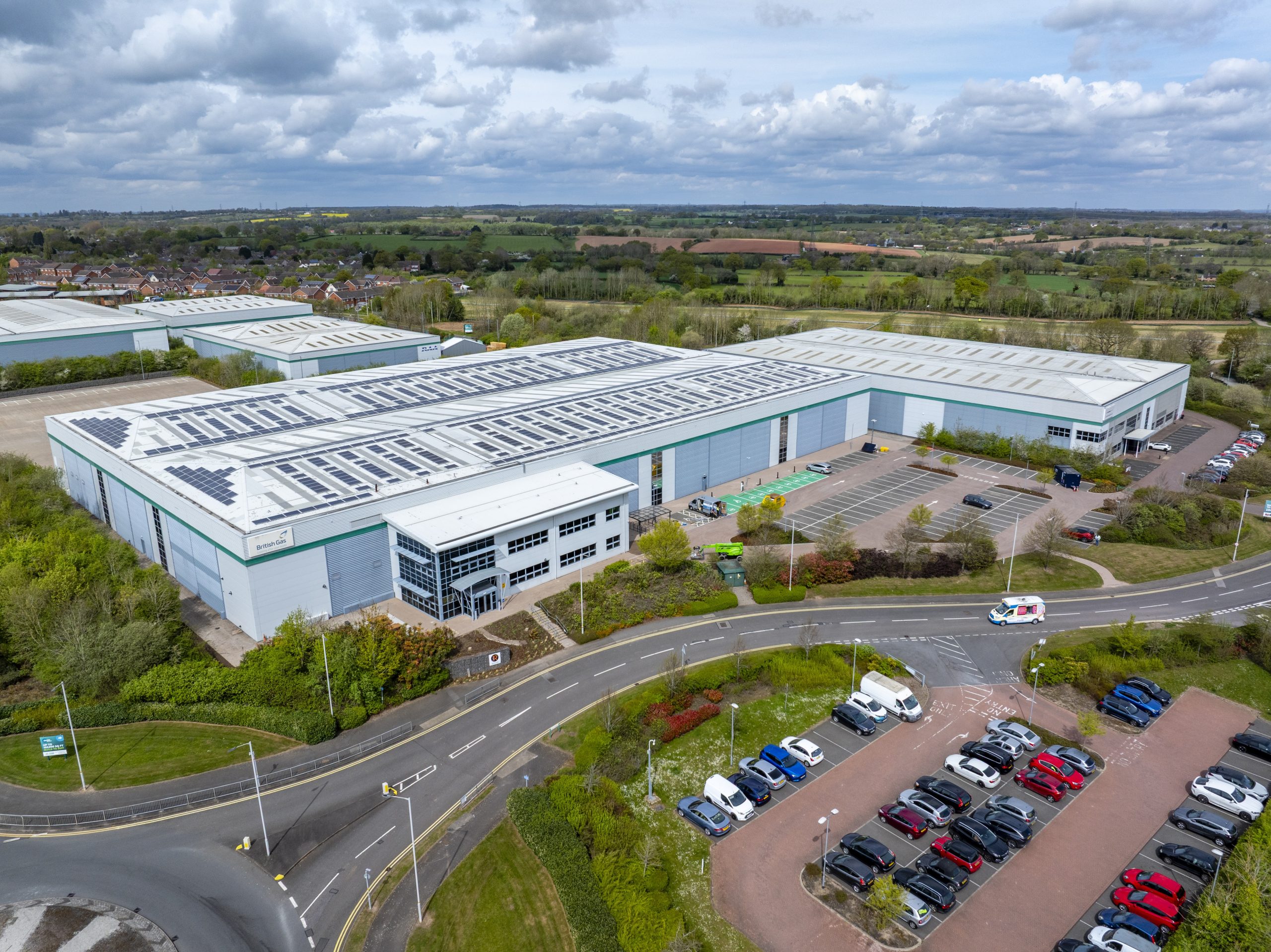
As warehouse property supply tightens, power has become the new location factor. Prologis Research expects Europe to remain one of the world’s tightest logistics markets in 2026, with vacancy rates projected to fall below 5 percent and demand driven by e-commerce, power-ready facilities and renewed investment in industrial corridors linked to defence and advanced manufacturing.
“Development has slowed as the cycle cooled, but the bigger challenge is structural,” said Eva Van der Pluijm, Vice President, Research & Strategy, Prologis Europe. “It’s simply getting harder to build. Entitlements take longer, power connections are capped, and regulatory complexity continues to grow. That scarcity is what’s driving value.”
Europe’s Vacancy to Fall Below 5 Percent
Across the region, a limited speculative pipeline, high construction costs and planning restrictions will temper new supply through 2026. Leasing pipelines built up in late 2025 are translating into occupancy this year, further tightening availability. Prologis Research estimates that Europe needs around €150 billion of new logistics space to meet current consumption, yet the ability to deliver that supply continues to shrink.
E-commerce to Lead Leasing Growth
E-commerce companies are expected to account for nearly a quarter of all new leasing globally as online sales approach 20 percent of total retail. In Europe, where e-commerce penetration still averages between 10–15 percent, compared with over 30 percent in the UK, adoption continues to rise, creating room for sustained growth. International retailers and parcel operators are expanding their networks to meet rising expectations for speed, sustainability and regional fulfilment, driving demand for well-located, high-specification space.
Power Availability as a Decisive Factor
Power access is moving rapidly up occupiers’ priority lists. As automation, data-intensive operations and electrified transport expand, facilities with reliable power and grid connectivity are increasingly scarce. Developers are responding with on-site generation, micro-grid solutions and higher-capacity infrastructure to future-proof assets. This shift reflects one of the key trends highlighted in Prologis’ global research on the need for power-ready logistics facilities in 2026.

Defence Investment: Early Signs of Activity
Defence-related logistics demand is beginning to emerge in parts of Europe, though activity remains limited. Some markets, including Germany, France and Poland, are seeing early signs of interest linked to national programmes and secure supply-chain priorities. While still a niche segment, it highlights another potential source of future demand within an evolving occupier mix.
Logistics Outlook: Smarter Space, Closer to Demand
According to Prologis, demand for logistics space in Europe will continue to grow, but how that space is used will matter more than ever. The next phase of growth will be defined by facilities designed for efficiency — closer to demand, built for productivity, and optimised for lower energy use and carbon impact.
“The space customers want most is the hardest to build,” Van der Pluijm added. “Operators that can secure modern, power-ready, efficient space will be best positioned for the next phase of growth.”