
While it is fundamentally a pharma product, the logistical complexities of medical cannabis are multifold. Peter MacLeod spoke with Cannabilog’s CEO Yoram Eshel to find out more.
Cannabis has been used for medicinal purposes for more than 4,000 years. Yet for much of the 20th century it was stigmatised as an illegal narcotic. Today, a growing number of governments recognise its therapeutic potential for conditions ranging from chronic pain to epilepsy. Its dual identity as both a historic remedy and a controlled narcotic continues to shape how it is regulated, transported, and perceived.
For Yoram Eshel, the journey into medical cannabis logistics was a logical step following a career in pharmaceuticals. Having served as head of global supply chain and logistics at Teva Pharmaceuticals for 14 years, he saw an emerging industry with extraordinary promise but equally daunting and even more complex challenges. Seven years ago, he founded Cannabilog.

“Back then, very few countries allowed medical cannabis, regulations were unclear, and it was still illegal in many countries. When it came to international trade, each country had its own rules. Portugal is not like Holland, Canada is not like the UK, and Germany is not like Australia. The complexity was there, and I realised my pharma experience could add real value.”
Medicine and Agriculture
“All countries in the world will consider it exactly like they consider paracetamol or any other medicine,” Eshel says. But unlike traditional pharmaceuticals, cannabis is also an agricultural product. “A lot of cannabis products are dried or processed flowers, but still agricultural. So, you suddenly have two agencies involved: the Ministry of Agriculture and the Ministry of Health. That brings huge complexity.”
From a logistics perspective, cannabis requires compliance on three fronts: strict adherence to national regulations, GDP (Good Distribution Practice) standards, and flawless execution. “It’s a very complex thing,” Eshel explains. “But in general, like a medicine, there’s temperature control, data loggers, and security.”

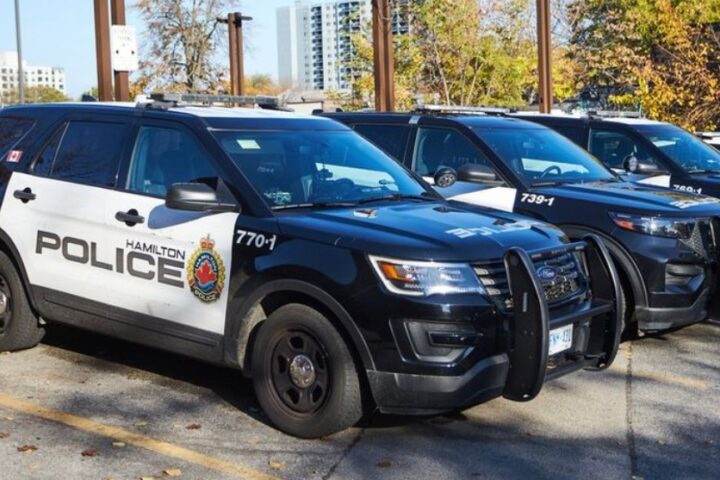
Complexity multiplies when shipments move internationally. Cannabis remains categorised as a narcotic in many jurisdictions, requiring export and import permits, each valid for limited periods. “It takes weeks to get those permits,” says Eshel. “And one of the big challenges is security. In some countries, we cannot move even one leaf without a police and/or armed escort.”
Chain of custody is another critical factor. Regulations evolve constantly, sometimes faster than businesses can adapt. “Regulation is a moving target,” Eshel warns. “What is allowed today may not be allowed tomorrow.”
Securing the Supply Chain
Ensuring product integrity requires meticulous planning. Temperature-controlled logistics is essential, especially for sensitive shipments like cannabis clones, which must be planted within days. “End-to-end temperature control starts with the packaging, with the data logger, then the truck, then the flight. The whole supply chain must be compliant,” says Eshel. “And if you can’t clear it at the destination, it must be destroyed. You cannot send it back.”
Cannabilog relies on a network of specialised local partners, all either GDP-certified or GDP-compliant. “We audit all of them, we have strict SOPs, and we make sure they meet pharma-level requirements,” Eshel explains. Security and visibility are also paramount. In some cases, private armed escorts are part of daily operations.
Insurance frameworks have evolved alongside logistics. Eshel notes: “We offer a very special and unique policy dedicated to medical cannabis shipments. It’s quite similar to pharma, offering door-to-door coverage against all risks, including temperature deviations.”

The medical cannabis market is far from mature. “You don’t have many chances in your life to see a completely new industry developing,” says Eshel. Growth depends on legalisation and Doctor adoption. Germany, for example, saw demand surge when prescriptions became easier to obtain. “People moved from the black market to the legitimate market because they knew they were getting a medical-grade product.”
Standardisation remains elusive. “We respect each country’s regulations, but of course we’d welcome standardisation,” he says. “At this stage, it’s too early. The industry is still evolving from the bottom up, driven by patient demand.”
Lessons for Logistics
For logistics professionals, the cannabis industry offers a wider lesson: specialisation matters. “The time of general cargo is gone,” says Eshel. “You have to create real value. With AI and digital tools, moving a pallet from A to B is no longer enough. You must specialise, whether it’s in cannabis, pharmaceuticals, or other tightly regulated supply chains.”
Eshel sees the challenge clearly. “It’s a narcotic, high value, very sensitive,” he concludes. “The secret is adhering to all regulation and quality standards. Get those right and follow with perfect execution – as complicated as it is. You must always stay up to date with market trends and regulatory requirements.”