A new first-of-its-kind report from Samsara validates the effectiveness of AI-enabled cameras and telematics in reducing crashes and improving fleet safety performance.
The global analysis of 2,600 fleets aggregated outcomes from 20 trillion annual data points generated over billions of miles driven during a 30-month period.

Key findings included:
- AI using dual-facing dash cams, in-cab alerts and driver coaching achieved a 73% reduction in crashes over 30 months;
- Fleets using dual-facing dash cams saw a crash rate reduction more than twice that seen by fleets using only forward-facing cameras;
- Safety improvements occur quickly; within the first six months fleets with more than 175 vehicles saw a 49% decrease in harsh events and 85% drop in mobile phone usage. That improvement compounded over time, to 69% and 96%, respectively, over the 30 months of the study;
- Fleets using AI technology saw their CSA scores improve after 30 months, including an average 43% improvement in unsafe driving, 57% improvement in hours-of-service compliance, and 83% reduction in the use of controlled substances and alcohol.
Trucknews.com caught up with Kelly Soderlund, head of insights with Samsara, to break down the results in greater detail. The report, which can be accessed here, breaks driver performance down by region.
The good news? Canadian drivers are typically safe relative to their peers elsewhere. The bad news? We tend to speed.
“Canadian drivers, in general, we found to be very safe,” said Soderlund. “They have a lower crash rate [than other global regions]. But they do speed.”
Canadian drivers studied had among the lowest instances of mobile phone usage, wore their seatbelts more frequently, and had fewer harsh braking instances than their peers in other regions, despite being heavier on the throttle. Soderlund attributed the fewer harsh braking events and higher road speeds to the vast geography and low traffic volumes across much of the country.

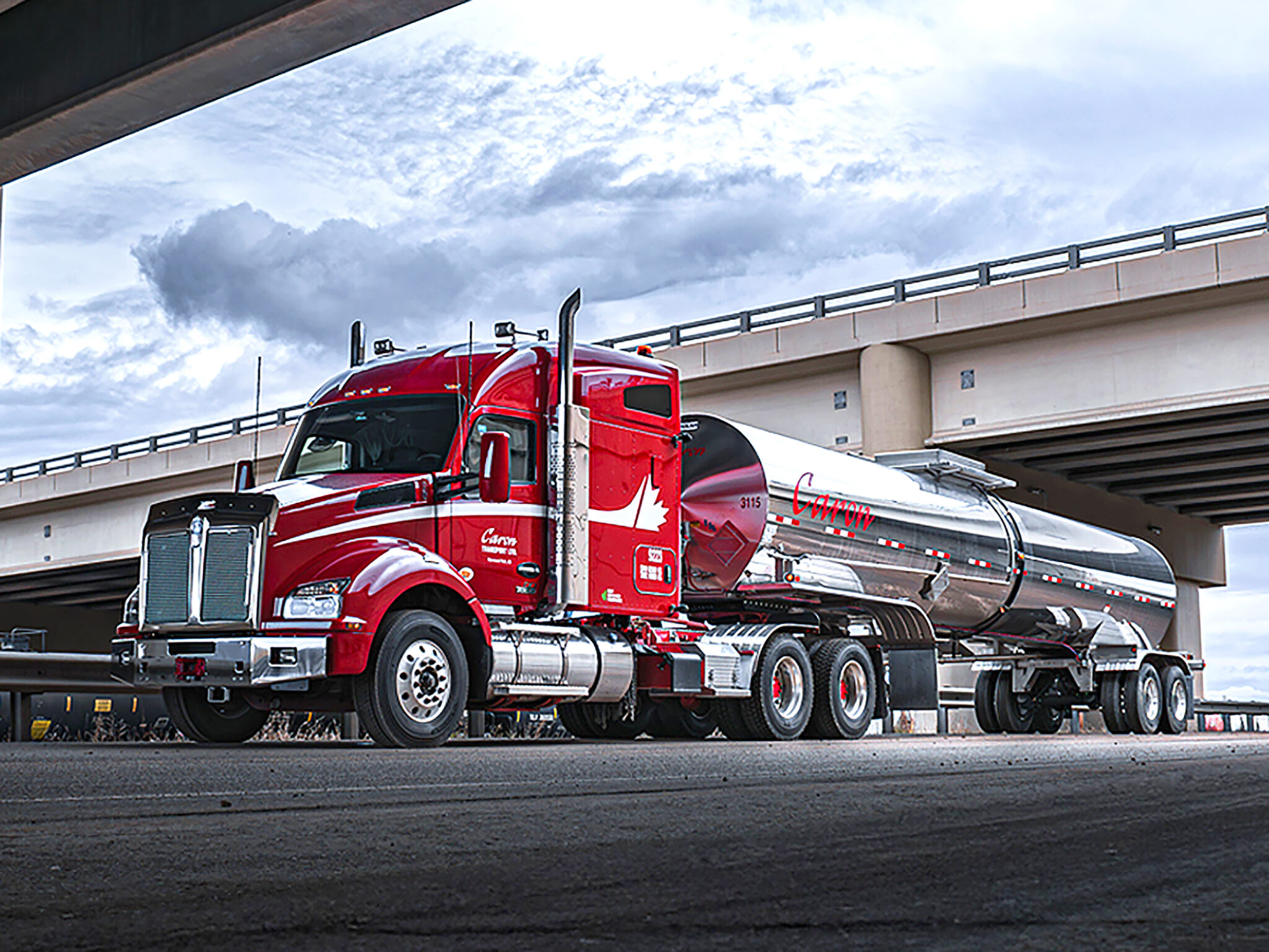
Caron Transportation Systems in Alberta was among the Canadian fleets whose data was anonymously aggregated as part of the study. The company said its adoption of the technology reduced severe speeding alerts by 90%, total safety events by 40%, and incidents among new trainees by 37%.
Asked what findings from the study came as a surprise, Soderlund said, “What surprised me the most in looking at this was just how much of an impact layering in some of these AI solutions like dual-facing cameras, in-cab alerts and coaching has on fleet safety. The data is really putting some numbers behind why there’s been such a push for AI-enabled products and solutions within the fleet industry.”
Samsara began rolling out its AI-enabled dash cams around 2019. One of the study’s findings was that large fleets realized the greatest benefits.
Asked why, Soderlund said, “What we find historically is that larger fleets are just better at standardization. They’re better at enforcement. They have more resources.”
For fleets just getting started with AI, Soderlund said dual-facing AI-enabled cameras are a good starting point, with twice the efficacy of forward-facing cameras alone. While driver pushback has to be overcome when rolling out dual-facing cameras, Soderlund said this is easing as drivers discover how the technology can actually protect them in the event of an incident.
They can also be used to reward good behavior, something Soderlund reminds fleets to take advantage of to improve driver buy-in. Samsara is now selling more dual-facing camera systems than forward-facing alternatives.
There are also AI-enabled multi-camera systems available that provide an overhead view around and behind the vehicle. The AI features also make the technology more accessible to smaller fleets, since AI can help analyze the data and produce actionable reports, reducing the human resources needed to sort through the reams of data generated by the technology.