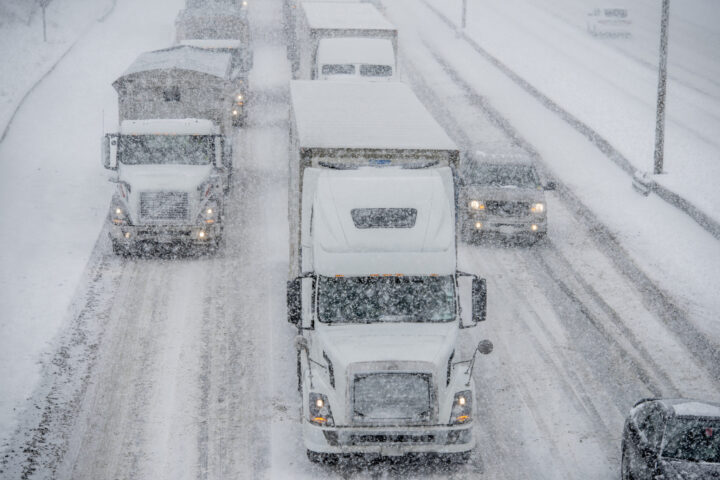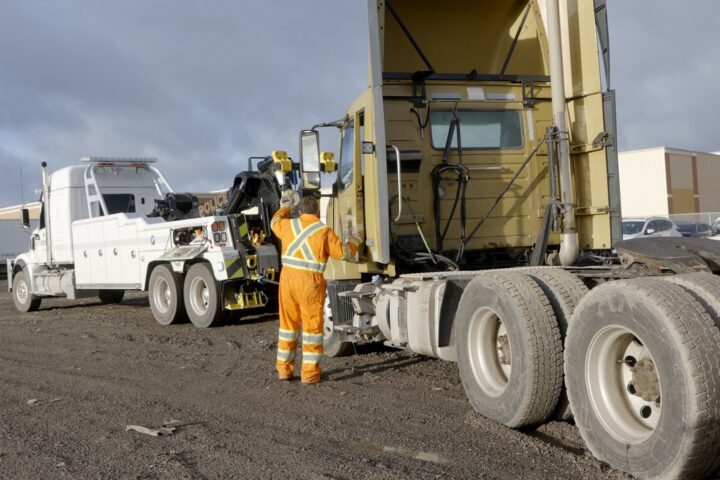
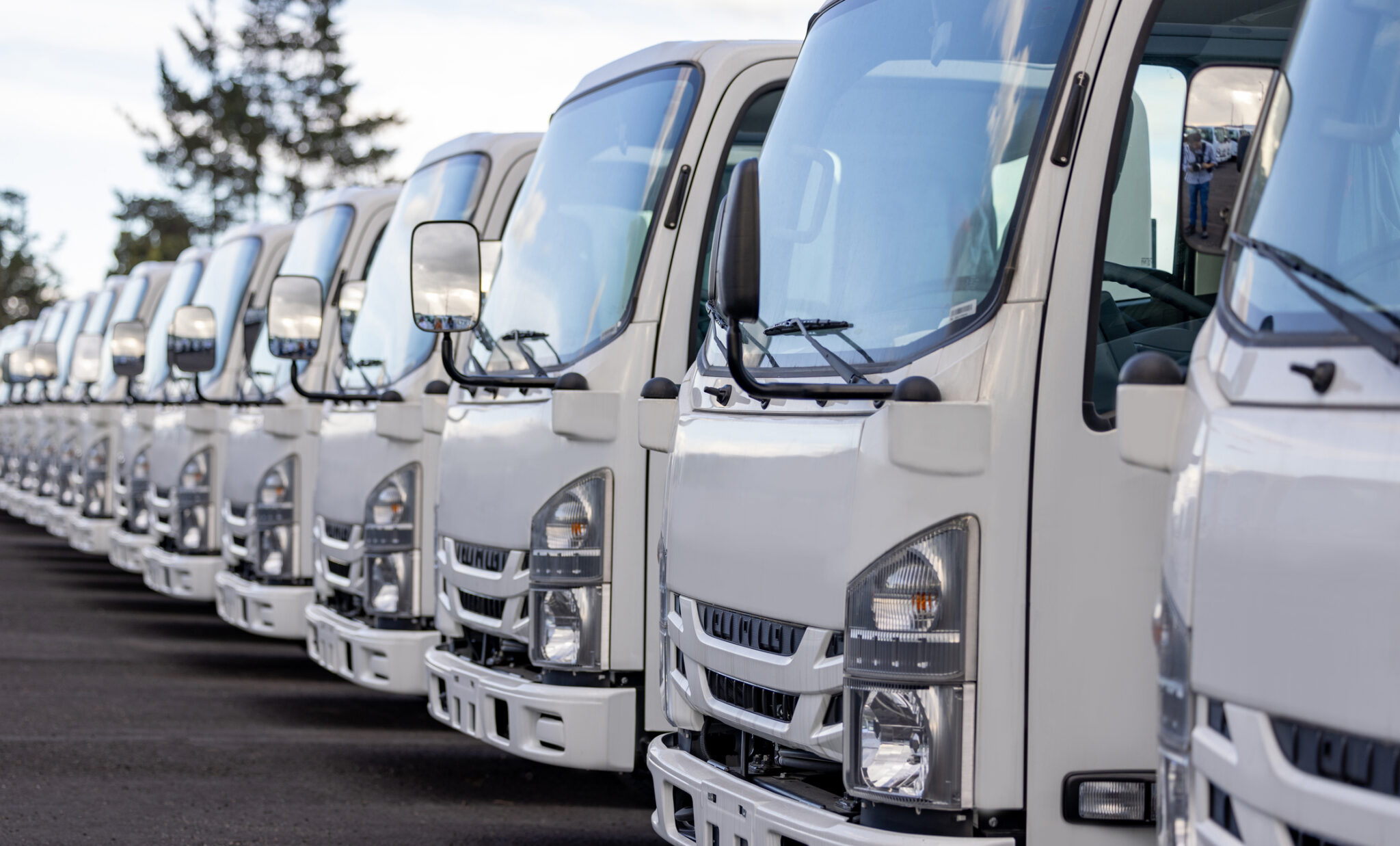
U.S. President Donald Trump on Oct. 6 announced that 25% duties on heavy- and medium-duty trucks built outside the United States would begin in November. One day later, Trump hosted Canadian Prime Minister Mark Carney at the White House to discuss trade policy and other issues.
In late September, Trump initially announced tariffs on heavy trucks not built in the United States would begin on Oct. 1. The updated social media post on Oct. 6, pushing the start date to November, added the reference to medium-duty trucks.
“Our Great Large Truck Company Manufacturers, such as Peterbilt, Kenworth, Freightliner, Mack Trucks, and others, will be protected from the onslaught of outside interruptions,” Trump wrote in his September announcement. “We need our Truckers to be financially healthy and strong, for many reasons, but above all else, for National Security purposes!”
Truck manufacturers have been cautious to make public statements, suggesting they are awaiting additional specifics and details about the tariffs.
Trade a key focus of Trump, Carney meeting
The Oct. 7 visit to the Oval Office was Carney’s second ahead of next year’s review of the United States-Mexico-Canada Agreement.
The free trade agreement was enacted during Trump’s first term, allowing the majority of Canadian and Mexican goods to be shipped to the U.S. without tariffs. Trump said he was open to extending the agreement through a renegotiation or seeking “different deals.”
Trump has some sector-specific tariffs on Canada, known as Section 232 tariffs, that are having an impact.
Following the White House meeting, Canada-U.S. Trade Minister Dominic LeBlanc said the two sides are working to “quickly land deals” on steel, aluminum, and energy. There are currently high tariffs on steel and aluminum, with additional levies set to take effect on lumber later this month.
“The conversation between the two leaders left us very much with the sense that there’s a desire to see how we can, starting with the steel and aluminum sectors, structure something that would be in the economic and security interests of both countries,” LeBlanc said.
The Canadian Press contributed to this report.