Sustainable packaging is becoming an essential consideration for logistics and supply chain professionals. As businesses seek to balance cost efficiency with environmental responsibility, the adoption of sustainable packaging materials offers a viable solution. Understanding the factors that drive this transition, as well as the best strategies for implementation, is crucial for optimizing both ecological impact and operational efficiency.
Factors Driving the Adoption of Sustainable Packaging
Several key factors contribute to the growing emphasis on sustainable packaging within logistics. One of the most significant is increased consumer awareness. Customers are now more conscious of environmental concerns and demand ecofriendly products and packaging. Companies that integrate sustainable packaging materials into their supply chains can enhance brand reputation, improve customer loyalty and gain a competitive edge.
Regulatory pressures also play a crucial role. Governments worldwide are implementing stricter policies on packaging waste, requiring businesses to adopt sustainable solutions. Compliance with these regulations ensures companies avoid legal penalties while demonstrating corporate social responsibility.
Economic benefits further reinforce the shift toward sustainable packaging. While initial investment costs may be higher, many sustainable packaging materials offer long-term savings through reduced material waste, lower disposal costs and improved supply chain efficiency. Lightweight, biodegradable and recyclable materials can decrease shipping expenses, making sustainable packaging a financially viable choice.
Choosing the Right Sustainable Packaging Materials
Selecting the appropriate materials for sustainable packaging involves evaluating various factors, including durability, cost and environmental impact. Biodegradable materials, such as cornstarch-based plastics and molded fiber, decompose naturally and reduce landfill waste. Recyclable options, like cardboard and paper-based alternatives, help establish a circular economy, minimizing resource consumption.
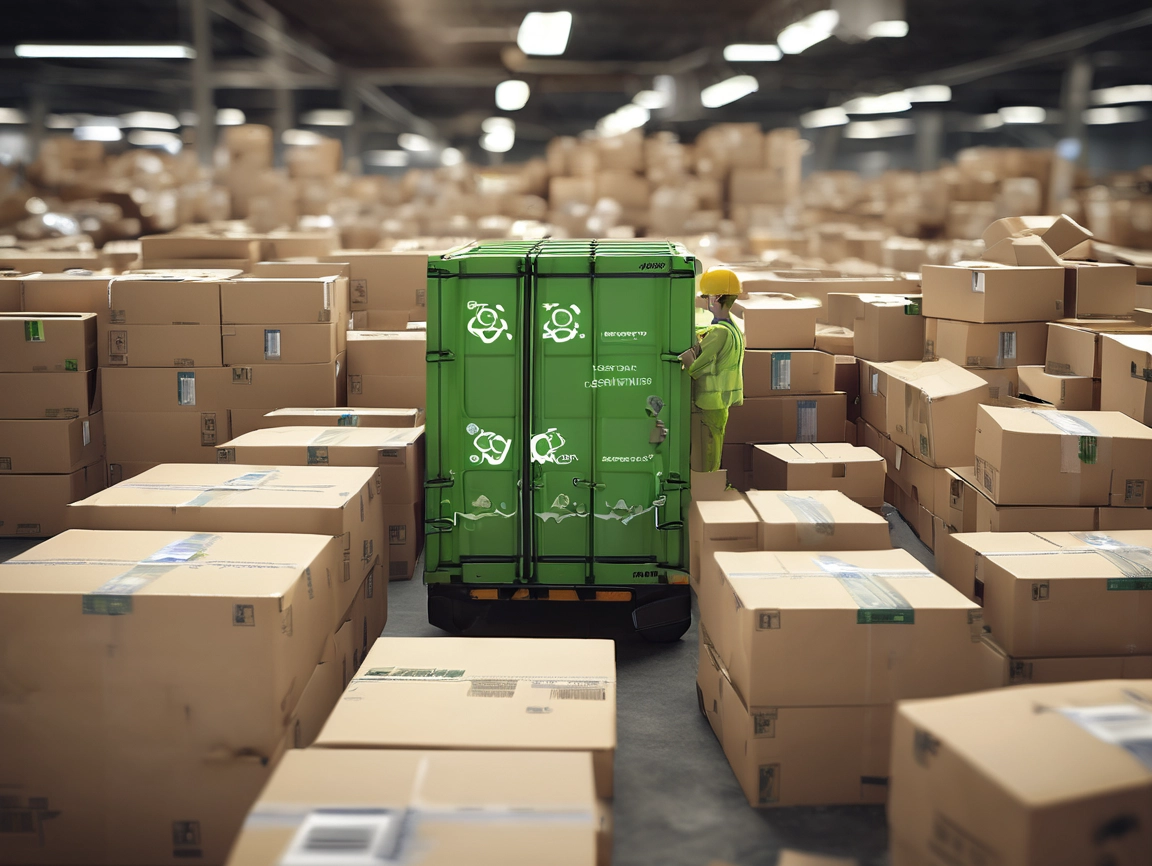
Compostable packaging is another viable choice, offering an ecofriendly solution that breaks down into nontoxic components. Additionally, reusable packaging, such as durable crates and bulk containers, reduces waste while streamlining logistics operations. Businesses must assess the compatibility of these materials with their supply chains to maximize sustainability benefits without compromising functionality.
Strategic Implementation of Sustainable Packaging
To successfully integrate sustainable packaging materials into logistics and supply chains, companies must follow a strategic approach. First, conducting a life cycle assessment (LCA) helps determine the environmental footprint of current packaging materials. By analyzing resource consumption, emissions and waste generation, businesses can identify areas for improvement and make informed decisions about material selection.
Collaboration with suppliers is another critical step. Working with sustainable packaging manufacturers ensures access to high-quality materials that meet environmental standards. Additionally, fostering partnerships with third-party logistics providers (3PLs) that prioritize sustainability can streamline packaging integration and optimize supply chain operations.
Technological advancements further enhance the feasibility of sustainable packaging adoption. Innovations such as smart packaging, which incorporates tracking sensors and biodegradable coatings, improve efficiency while reducing waste. Companies should explore emerging technologies to stay ahead of industry trends and drive sustainability efforts.
Balancing Sustainability With Operational Efficiency
While the benefits of sustainable packaging are evident, businesses must ensure that adoption does not compromise operational efficiency. Packaging materials should maintain product protection and durability to prevent damage during transit. Conducting real-world testing and pilot programs can help evaluate the performance of sustainable alternatives before full-scale implementation.
Optimizing packaging design also contributes to operational efficiency. Reducing excess material usage, improving stacking capabilities and utilizing space-efficient designs lower transportation costs and decrease carbon emissions. Automation in packaging processes further enhances efficiency, allowing businesses to scale sustainability initiatives without increasing labor costs.
Conclusion: A Proactive Approach to Sustainable Packaging
As logistics and supply chain professionals navigate the transition toward sustainability, strategic implementation of sustainable packaging materials remains essential. By addressing consumer demand, regulatory requirements and economic advantages, businesses can create packaging solutions that align with environmental goals and operational needs. Through careful material selection, supplier collaboration and technological integration, companies can reduce waste, lower costs and enhance brand value while contributing to a more sustainable future.